

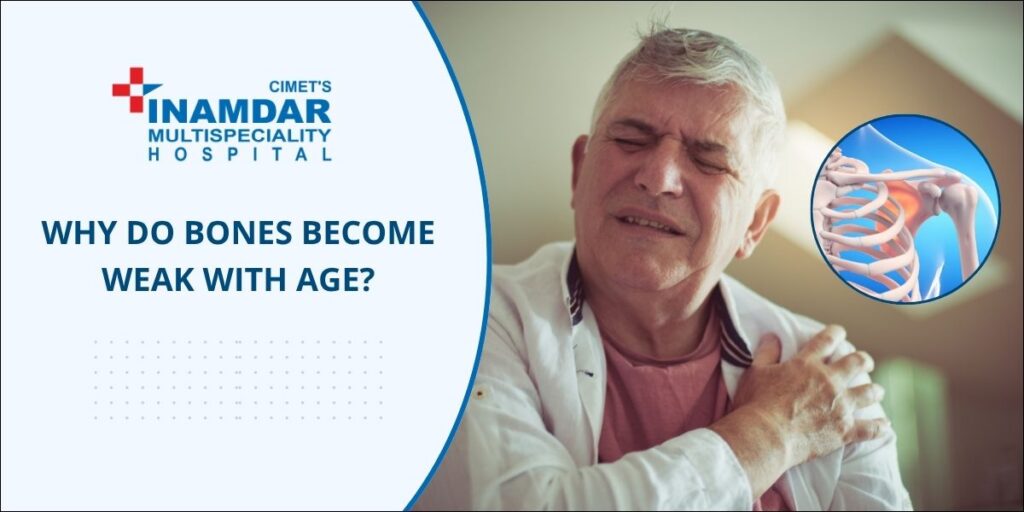
As we grow older, it is natural to notice changes in strength, balance, and mobility. But one change that often goes unnoticed until it causes pain or injury is bone weakness. Many people wonder, “Why do my bones become weak as I age?” or “Can I prevent osteoporosis and fractures as I get older?”
The answer involves several age-related changes in the body. Bone health depends on nutrition, hormones, physical activity, muscle strength, and the body’s ability to continuously rebuild bone tissue. Understanding these factors can help you take practical steps to maintain stronger bones and reduce the risk of fractures.
What Happens to Bones as We Age?
Bones may look solid and permanent, but they are living tissues that constantly undergo a process called bone remodeling. Old bone is broken down and replaced with new bone.
During childhood and early adulthood, the body generally builds bone faster than it removes it. Bone mass typically reaches its peak in early adulthood. With increasing age, however, bone breakdown can gradually become faster than new bone formation. As a result, bones may become thinner, less dense, and more fragile.
This gradual loss of bone density can increase the risk of osteoporosis and fractures, particularly in the hip, spine, and wrist.
Why Do Bones Become Weak With Age?
1. Reduced Bone Density
One of the main reasons bones become weaker is a gradual decline in bone mineral density. When bones lose minerals such as calcium and phosphorus, their internal structure can become less dense.
Low bone density does not always cause symptoms. A person may feel perfectly healthy until a minor fall results in a fracture.
2. Hormonal Changes
Hormones play an important role in maintaining bone strength. In women, estrogen levels decline significantly after menopause, which can accelerate bone loss. Men can also experience gradual hormonal changes with age that may contribute to reduced bone density.
This is one reason why older adults should discuss bone health with a healthcare professional, especially when there are additional risk factors.
3. Lack of Calcium and Vitamin D
Calcium is essential for maintaining strong bones, while vitamin D helps the body absorb calcium efficiently. As people age, dietary intake, vitamin D production, and nutrient absorption may change.
A diet lacking important nutrients can therefore contribute to weaker bones over time.
4. Less Physical Activity
Many older adults become less physically active because of joint discomfort, work changes, lifestyle changes, or fear of falling. Unfortunately, reduced movement can affect bone and muscle strength.
Weight-bearing activities such as walking, strength exercises, and other age-appropriate physical activities can provide beneficial stimulation to bones while also improving muscle strength and balance.
5. Loss of Muscle Strength
Bone health and muscle health are closely connected. Age-related muscle loss, known as sarcopenia, can reduce stability and increase the risk of falls.
Stronger muscles can help support joints, improve balance, and protect the body during everyday activities. Maintaining muscle strength is therefore an important part of protecting bones.
6. Certain Medical Conditions and Medicines
Some health conditions and long-term medications can affect bone density. For example, prolonged use of certain steroid medicines may increase the risk of bone loss.
People taking long-term medications or living with conditions that may affect bone health should speak with their doctor about appropriate monitoring and preventive measures.
How Can You Keep Bones Strong as You Age?
Healthy ageing does not mean accepting weak bones as unavoidable. Several lifestyle habits can help support bone health.
Eat a balanced diet containing adequate calcium, vitamin D, protein, fruits, vegetables, and other essential nutrients. Stay physically active with exercises appropriate for your age and health condition. Include strength and weight-bearing activities when medically suitable.
Avoid smoking and limit excessive alcohol consumption. Maintain a healthy body weight and take steps to prevent falls at home, such as improving lighting and removing tripping hazards.
If you have risk factors for osteoporosis, your doctor may recommend a bone mineral density (BMD) test to assess bone strength and determine whether further treatment or monitoring is needed.
Bone Health Care at Inamdar Hospital Pune
For people looking for comprehensive healthcare support in Pune, Inamdar Hospital provides medical services across multiple specialties. If you are concerned about age-related bone weakness, recurring fractures, difficulty walking, or other musculoskeletal problems, consulting a qualified healthcare professional can help identify potential causes and guide appropriate evaluation and treatment. Early attention to bone health can be particularly valuable for older adults because prevention and timely management may help reduce complications and support better mobility and quality of life.
FAQs
1. Why do bones become weaker with age?
Bone formation slows with age while bone breakdown may increase, reducing bone density and strength.
2. Does calcium prevent bone weakness?
Adequate calcium supports bone health, but healthy bones also require vitamin D, protein, exercise, and other factors.
3. Can exercise strengthen ageing bones?
Yes. Weight-bearing and resistance exercises can help maintain bone and muscle strength when appropriate for your health.
4. What is osteoporosis?
Osteoporosis is a condition in which bones become less dense and more fragile, increasing the risk of fractures.
5. When should older adults get their bones checked?
People with risk factors such as advanced age, previous fractures, menopause, certain medications, or a family history of osteoporosis should discuss bone-health screening with their doctor.